A bob looks simple until you sit in the chair and realize that one inch changes the whole mood. I have seen the same reference photo turn into a sharp little Parisian cut on one person and a helmet on another, not because the haircut was bad, but because the line landed in the wrong place. The best bob haircuts are less about copying a famous face and more about deciding where you want the weight, how much movement your hair can hold, and how patient you are when it starts growing out.
Choose a bob by its line first
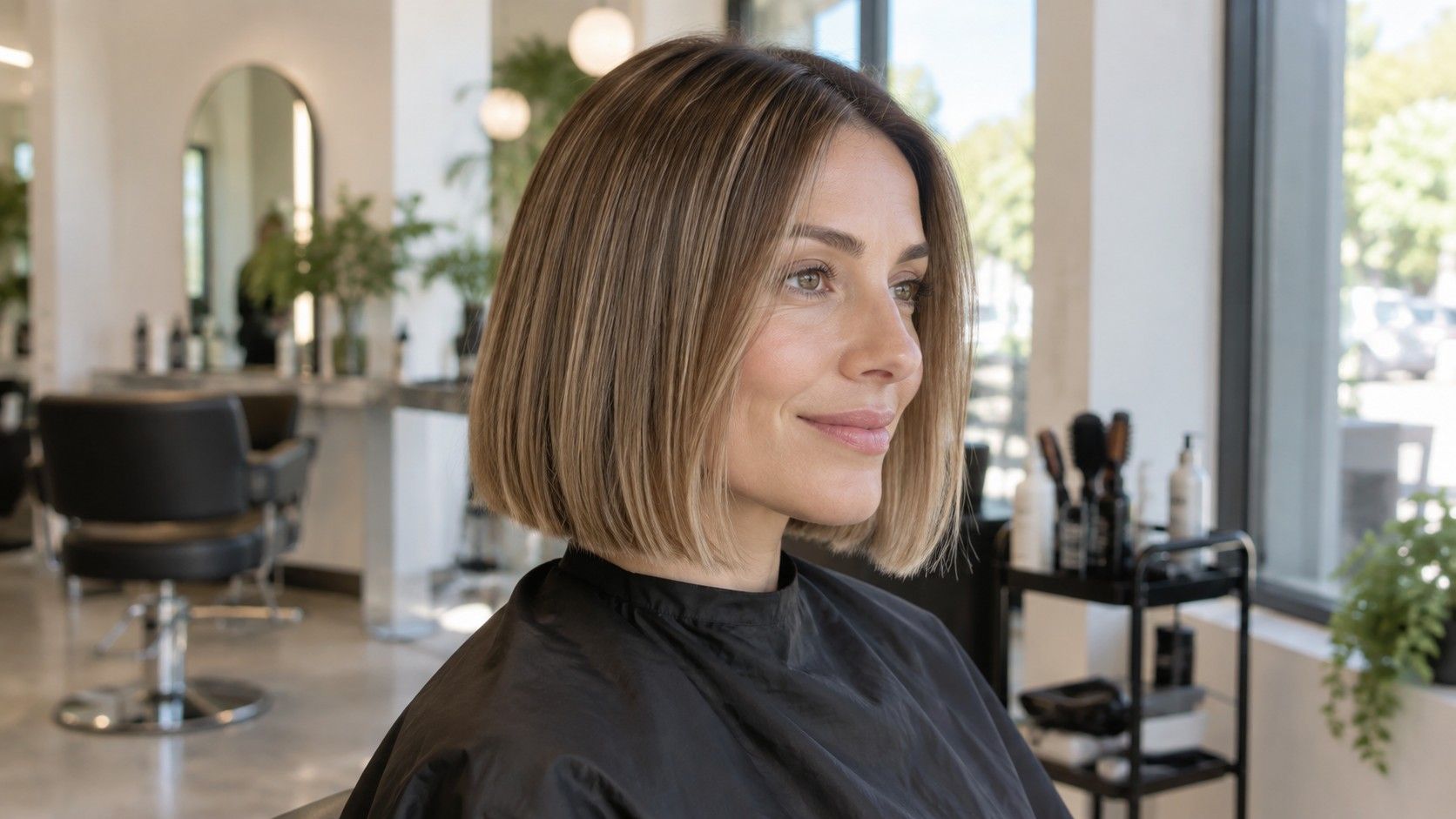
The cleanest way to compare bob haircut styles is to ignore the styling for a minute and look at the line. A jaw-length bob puts attention on the lower face. That can be crisp and flattering when the jawline is already a feature you like, but it can feel oddly stern if the ends stop exactly where the face feels widest. A chin-skimming line is not automatically soft. It depends on whether the front pieces curve under, kick out, or sit straight like a ruler.
Short bobs and French bobs suit confident upkeep
A collarbone bob, often called a lob, is more forgiving because the eye reads it as movement around the neck and shoulders rather than a hard frame around the face. I usually distrust salon photos where the head is turned and the hair is blown out perfectly. Ask to see the shape from the front, side, and with the head relaxed. If the perimeter only works when the neck is stretched and the chin is tucked, everyday life will expose it before lunch.
Classic bobs and lobs are easier to live with
The other decision is whether the bob should be blunt or softly broken. Blunt ends make fine hair look denser, especially when the cut lands just below the chin or at the collarbone. Layers remove bulk and help thick hair swing, but too many short layers can turn a bob into a mushroom. The useful question is not whether layers are fashionable. It is whether your hair needs weight to behave or needs weight removed to stop expanding.
The French bob gets praised because it photographs well: short, slightly undone, often with fringe, usually ending around the mouth or chin. In real life, it is not a magic shortcut. It asks for a good neckline, regular trims, and a little tolerance for hair touching the face. On straight or softly wavy hair, the shape can look deliberate with very little effort. On hair that bends in several directions, the same cut may need a small brush, cream, or a quick pass with heat to avoid looking accidentally chopped.
Short bobs work best when the stylist respects the hairline at the nape. A high neckline can look elegant from the back, but if the lower hair grows fast or swirls, the shape may look fuzzy after two weeks. That is not a reason to avoid it. It is a reason to budget for maintenance and to ask the stylist how the nape will be handled between appointments. I like when a hairdresser checks the natural fall before wetting the hair, because cowlicks at the crown and nape are not theoretical once the cut is short.
Fringe changes the whole calculation. A bob with bangs can balance a long forehead or make a short cut feel intentional, but it also creates a daily front-row problem. If your fringe separates, lifts, or gets oily by noon, the cut still needs to make sense without perfect bangs. A soft, cheekbone-length curtain fringe is easier to rescue than a tiny blunt fringe if you are not already a fringe person.
The classic bob, sitting between chin and shoulder, is the most practical of the types of bob haircuts because it can be tucked, clipped, waved, or left alone. It still needs precision, but it gives you room to recover from a rushed morning. For someone moving from long hair, I would rarely jump straight to the shortest version unless they already know they like their neck exposed and their face framed tightly. A long bob gives the mirror time to become familiar.
The lob also handles seasonal reality better. Scarves, collars, gym hair, humid weather, and lazy ponytails all matter. A true bob may not tie back, or it may create a tiny tail that looks more like a compromise than a style. A collarbone bob usually gives enough length for a clip or low tie, which sounds boring until you are cooking, traveling, or trying to get through a windy day without negotiating with every front piece.
An Italian bob sits somewhere between polished and heavy: fuller ends, often a little longer, with enough body to feel expensive without becoming stiff. It suits medium to thick hair that can carry a rounded shape. On very fine hair, that fullness may have to be built with styling, and that is where some people discover that the haircut they loved was actually a blow-dry routine.
Texture and density decide how much shape you need
Fine hair often benefits from a bob because the shorter length stops the ends from looking tired. The mistake is asking for airy layers because the photo looks soft. Fine hair can become see-through very quickly, especially around the front. A blunt or slightly beveled edge usually gives better structure, with small internal shaping only where the hair collapses. The result may look less dramatic in the chair but better on day three.
Thick hair has the opposite problem. A blunt bob can look wonderful, but only if the weight is managed. Internal layers, careful texturizing, and a neckline that does not bulk out are more important than a trendy name. I would be cautious with aggressive thinning shears near the surface; they can create frizz and odd short pieces that show up after the first wash. Good thick-hair bobs keep the outline clean while quietly removing the parts that would otherwise puff out.
Curly and wavy hair need dry-shape thinking. The length you approve when hair is wet may not be the length you get when it springs up. A curly bob can be beautiful when the layers create space for curls to stack, but a one-length curly bob may form a triangle if the sides carry too much weight. Ask where the shortest layer will sit when dry. That single answer tells you more than a stack of inspiration photos.
Use a comparison before you commit
| Bob style | Best for | Watch out for |
|---|---|---|
| French bob | People who like short, face-framing hair and regular trims | Fringe behavior, nape growth, and pieces falling forward |
| Classic bob | Fine to medium hair that needs a stronger outline | A line that stops at the widest part of the face |
| Long bob | First-time bob wearers and anyone who still wants a tie-back option | Looking too plain if the ends are not shaped well |
| Layered bob | Thick, wavy, or heavy hair needing movement | Too many short layers around the crown |
Grow-out is part of the haircut
A bob does not grow out invisibly. The line drops, the ends thicken around the shoulders, and any asymmetry becomes more obvious. That is why a bob that looks perfect only at week one may not be the best bob haircut for a real schedule. If you trim every six to eight weeks, you can keep a short or blunt bob sharp. If you go three months between appointments, a lob or softer layered bob will usually age with more dignity.
Color matters too. A sharp bob with high-contrast roots can look intentional if the color is maintained, but it can turn messy fast when regrowth is strong. Highlights and balayage need placement that still works after the cut removes several inches. I have watched people lose the brightest part of their color in one bob appointment because nobody talked about where the light pieces would land afterward.
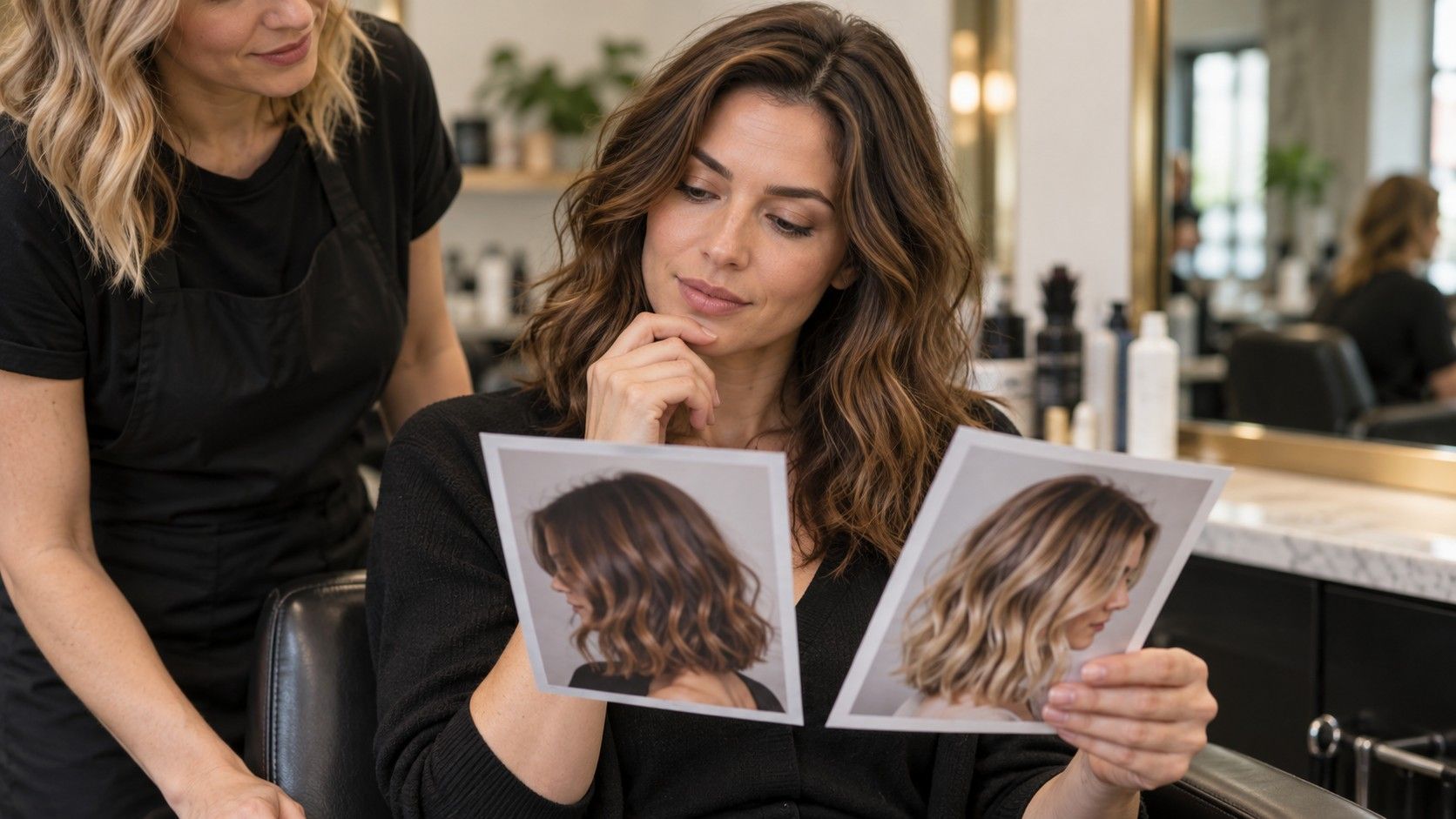
Bring reference photos, but bring dislikes as well. A stylist learns a lot from hearing that you hate tucked-under ends, heavy side volume, or hair that cannot be clipped back. The right bob is a small agreement between face, texture, routine, and patience. When those parts are honest, the cut can look calm and deliberate even on an ordinary weekday, which is a better test than any salon mirror with perfect lighting.