Fine hair is often discussed as if it has one problem: it lies flat. That is too simple. Fine hair can be dense or sparse, straight or wavy, oily at the roots or dry at the ends. The best hairstyles for fine hair are not the ones that promise instant volume; they are the ones that protect the amount of hair you visibly have while giving the roots a little help.
Fine hair and thin hair are not the same decision
The first useful distinction is strand size versus density. Fine hair means each strand is small in diameter. Thin hair means there are fewer strands. Many people have fine hair but plenty of it, and their main issue is collapse. Others have fine hair with low density, where the scalp shows easily around the parting or temples. Those two heads should not receive the same haircut just because both use the phrase fine hair.
Cuts that protect visible density
If your ponytail feels small and your parting looks wide, preserving density matters more than chasing airy layers. If your ponytail is decent but everything falls flat by lunch, shape and root lift matter more. I look at the ends first. Wispy ends can make fine hair look poorer than it is, especially past the shoulders. A cleaner perimeter often makes the whole head seem thicker before any styling product appears.
Short and medium options that usually behave well
This is also where medical advice does not belong in a haircut conversation. Sudden shedding, patchy loss, or scalp symptoms need proper professional attention. A fine hair haircut can make the best of the hair present today; it cannot diagnose why the amount has changed. Keeping that boundary clear prevents the salon from becoming a place of false reassurance.
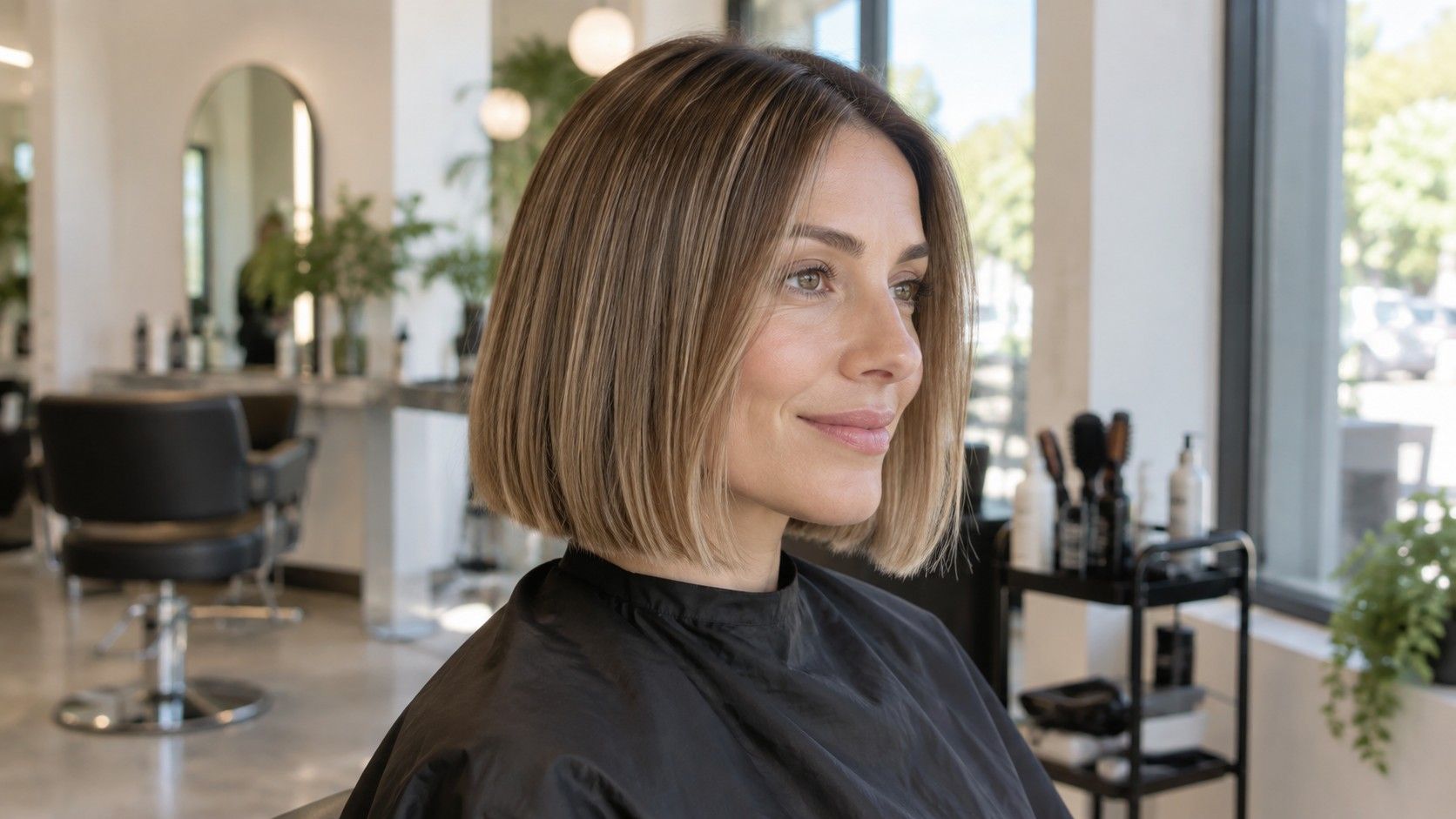
A blunt cut is not automatically boring. For fine hair, a slightly blunt edge can be the quiet backbone of the style. It gives the ends a denser line, which matters in daylight, in photos, and when the hair swings forward over a dark shirt. The trick is not making every strand one severe length. A stylist can keep the perimeter strong while adding small surface movement around the face or very soft internal shaping.
Heavy layering is where fine hair often gets betrayed. Long, disconnected layers can remove the very hair needed to make the ends look healthy. The top may move, but the bottom becomes transparent. If you want layers, ask where they will begin and how much weight they remove. On fine hair, I prefer layers that solve a specific problem: releasing a bulky corner, adding movement around the cheekbones, or stopping a shoulder-length cut from flipping awkwardly.
Parting matters too. A deep side part can fake fullness for a night, but if the hair is trained hard to the middle, forcing it sideways may expose the flatter side by afternoon. A soft off-center part is more realistic for many people. It creates a little asymmetry without asking the roots to perform a trick they cannot hold.
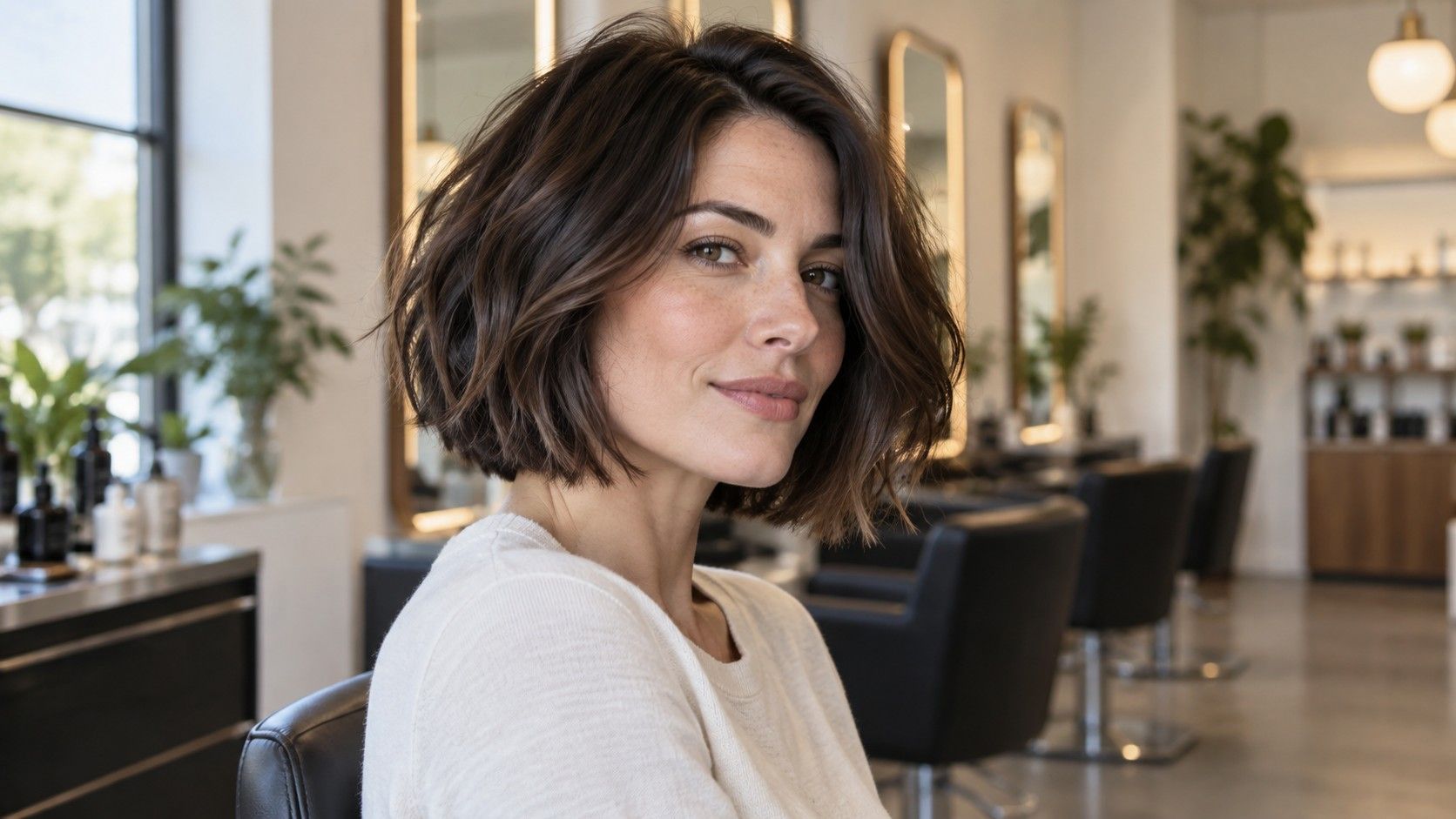
Fine hair often looks strongest between the jaw and the collarbone. A classic bob, a softly beveled bob, or a long bob can make the ends look intentional instead of thin. The length should be chosen around the neck, jawline, and shoulder behavior. Hair that hits the shoulder may kick out; that can be charming if planned, annoying if it happens only on one side.
| Style | Why it helps fine hair | Where it can fail |
|---|---|---|
| Jaw-length bob | Creates a compact, dense outline | Needs regular trims to avoid a tired edge |
| Long bob | Balances fullness with easy tying back | Can drag down if left too long at the front |
| Soft pixie | Moves weight upward and exposes shape | Requires confidence with short grow-out stages |
| Collarbone cut | Keeps length while making ends look cleaner | May flip at the shoulders unless shaped carefully |
A pixie can be excellent for fine hair, but it should not be sold as the brave universal cure. Short hair shows growth patterns, cowlicks, and head shape more openly. If the crown collapses, the cut needs texture in the right place, not random thinning. A soft pixie with a little length at the top can look modern and light; an over-thinned pixie can look sparse within two weeks.
Long fine hair needs a stricter filter
Long fine hair can be beautiful, but it has to earn its length. If the last four inches are see-through, the hair is not really reading as long; it is reading as tired. A trim to the strongest point may feel dramatic in the chair and look much better the next morning. I would rather see polished collarbone-length fine hair than long ends that disappear against the sweater.
Layers on long fine hair should be limited and strategic. Face-framing pieces can stop the front from hanging flat, while the back keeps density. Curtain bangs can help if they are light enough and long enough to blend. Very short face layers, however, may leave the sides stringy. The test is simple: after the cut, the hair should still gather into a ponytail without several thin strands falling out in a sad halo.
Color can change the visual result, though it is not the main subject of a haircut. Slight dimension may make fine hair look fuller, while harsh over-lightening can create breakage and fuzzy ends. If the hair already snaps easily, the cut should support recovery: cleaner edges, fewer weak layers, less heat dependence, and no style that needs daily punishment to look acceptable.
Styling without flattening the roots
Fine hair is easily over-styled. A rich cream, an oil near the scalp, or too much leave-in can undo a good haircut in ten minutes. Lightweight mousse, a root-lift spray, or a small amount of texture spray usually makes more sense than heavy smoothing products. The amount matters: fine hair often needs less product than the label suggests.
The best blow-dry habit is not complicated. Dry the roots first, lifting them with fingers or a vent brush, then smooth the ends. If you polish the lengths while the roots are still damp, the whole shape may collapse. A quick cool shot at the crown can help the lift set. For air-drying, clipping the roots lightly while they dry can create a more natural rise without making the hair stiff.
I am skeptical of hairstyles for fine hair that require a full arsenal every day. A good fine hair haircut should look decent with one light product and a realistic drying routine. Save the curling iron, teasing, and spray for the days when you want extra shape. The everyday style should not depend on disguising the hair. It should make the hair you actually have look deliberate, clean, and easy to live with.