Heatless hairstyles for long hair are most useful when they solve a real problem: damp roots in the morning, dry ends, a style that must last through errands, or hair that looks better contained than brushed into submission. The point is not to prove that heat is forbidden. It is to have no heat hairstyles that look considered and feel comfortable.
Choose a style by your hair texture
Long hair has weight, and weight changes everything. Fine straight hair can slide out of clips and lose shape quickly. Thick hair may hold a braid beautifully but feel heavy in a high bun. Wavy hair often looks best when the natural bend is encouraged, while curly hair needs less brushing and more respect for clumps. Before choosing a style, look at what your hair already wants to do after washing.
Braids and twists for daytime
If your hair dries flat at the roots and bends at the ends, choose styles that lift the crown before securing the length. If your hair expands in humidity, choose braids, twists, or low clips that control the outer layer without crushing all movement. If your ends feel dry, avoid tight elastics at the same spot every day. Heatless styling still creates stress if the tension is careless.
Clips and low-tension styles
The easiest hairstyles for long hair are not always the fastest ones. A two-minute claw clip can be comfortable for one person and a headache for another. A loose braid may look relaxed but unravel from slippery hair. Match the style to texture, density, and the amount of movement your day requires. That small bit of honesty saves a lot of redoing.
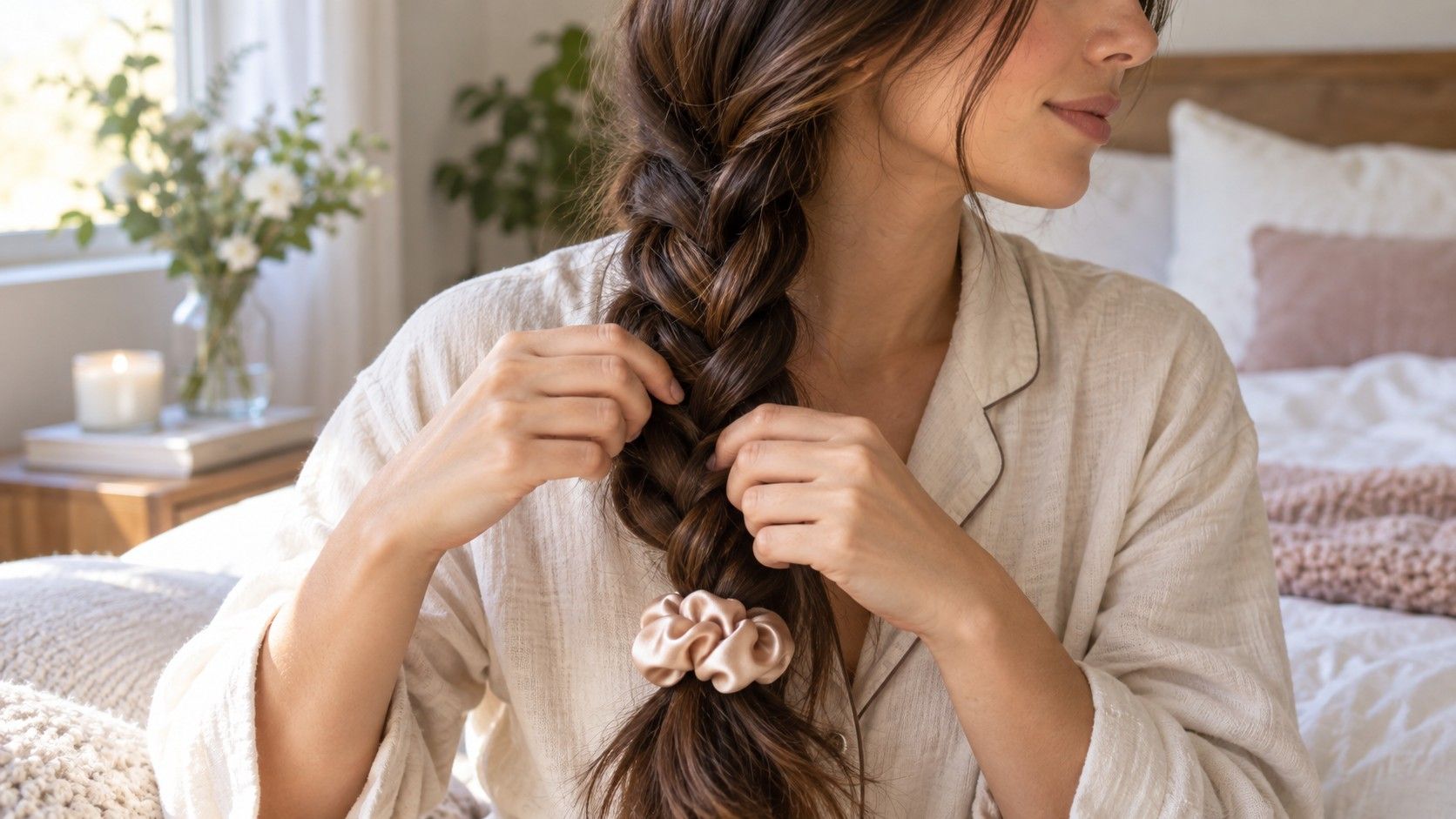
A braid is the most reliable heatless structure because it spreads tension along the length instead of putting all the weight at one point. A low three-strand braid works for errands, work-from-home days, and windy walks. A loose side braid softens the front and keeps the ends contained. If your hair is layered, start with a small amount of leave-in cream on the shorter pieces so they do not escape immediately.
Twists are better when you want a cleaner front without a full braid. Twist each side away from the face, join them at the back with a small elastic, then braid or clip the remaining length. This keeps roots controlled while leaving the ends less compressed. For long hair that tangles underneath, a half-up twist can stop the nape from matting without making the whole head feel tight.
| Style | Best for | Practical caution |
|---|---|---|
| Low braid | Long hair that tangles or blows around | Do not tie the elastic too tightly at dry ends |
| Side braid | Layered hair and soft face framing | Short front pieces may need cream or a small pin |
| Double twists | Keeping roots neat without a bun | Pin into the twist so it does not roll forward |
| Claw clip twist | Quick lift off the neck | Heavy hair may need a larger clip or lower placement |
Overnight waves without a hot tool
Overnight sets work when the hair is slightly damp, not wet. Wet long hair trapped in a bun can still feel cold in the morning and may dry into dents rather than waves. Let the roots dry first, then add a little moisture or styling cream through the mid-lengths and ends. A loose braid gives soft bends. Two braids give more defined waves. A robe-tie wrap or soft roller can create a smoother curve if the hair is long enough to wrap evenly.
Comfort matters. Anything bulky near the back of the head can disturb sleep and leave the roots flattened. Place overnight braids low, or wrap hair higher only if you sleep comfortably that way. Use a silk scrunchie or soft fabric tie to reduce friction at the ends. Small tight elastics may hold better, but they can leave a hard mark exactly where you want the wave to look natural.
The morning routine should be minimal. Remove the braid or wrap, shake the roots gently, and separate the waves with fingers. Brushing can turn soft heatless waves into frizz, especially on highlighted or dry hair. If one section looks too straight, twist it with damp fingers and let it sit while you get dressed. Heatless does not have to mean perfect; it should mean usable.
A claw clip can be kind to long hair when it is placed with the weight in mind. Gather hair at the nape, twist upward, fold the length back down if needed, and clip through the thickest part of the twist. If the clip sits too high, heavy hair can pull at the crown. If it sits too low, it may press into the neck. The most comfortable spot is usually where the head naturally curves inward.
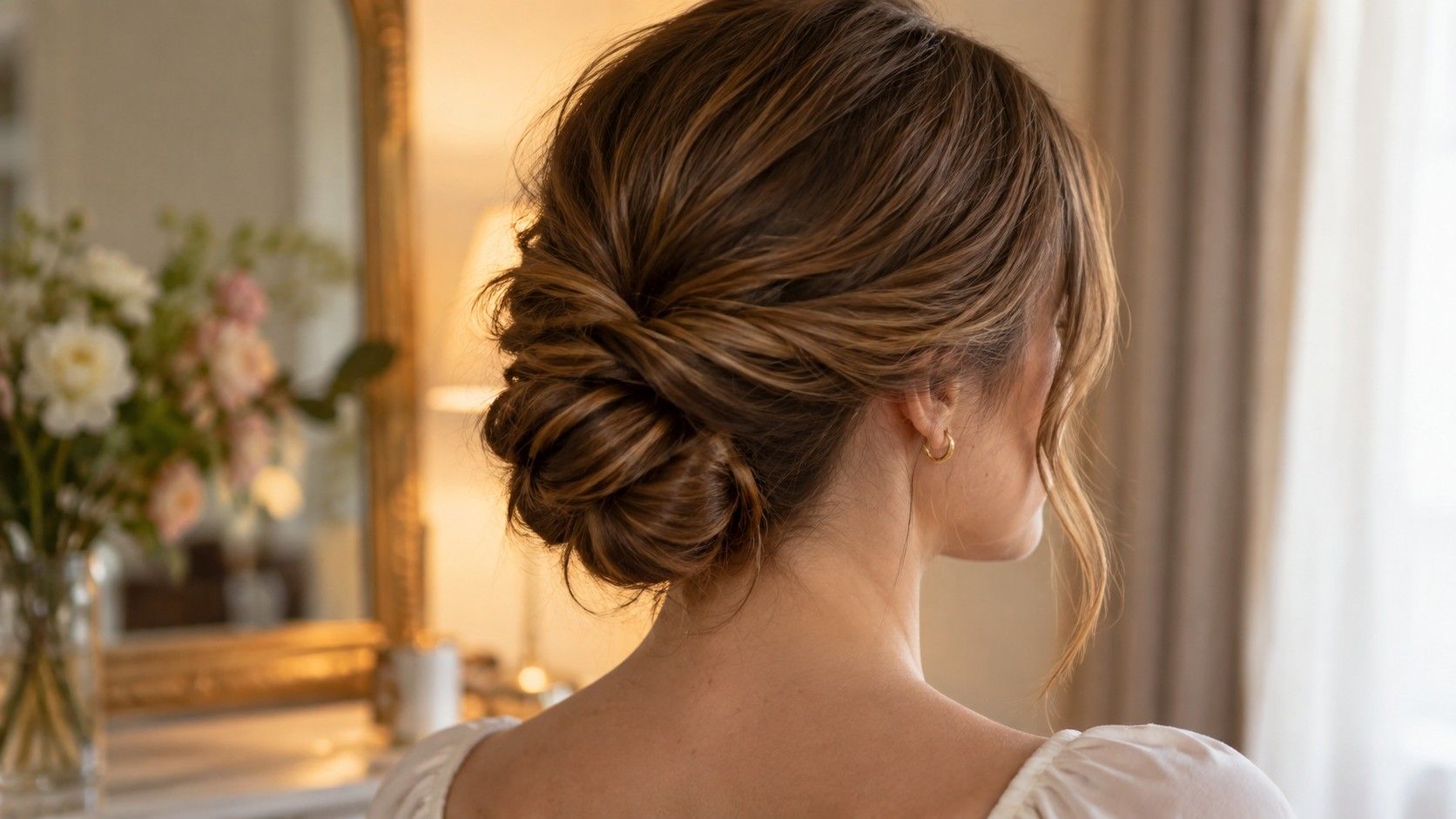
Low ponytails and loose buns can also be heatless hairstyles, but they need variation. Wearing the same tight ponytail every day can stress the same roots and the same section of ends. Shift the part, lower the elastic, use a silk scrunchie, or wrap the hair loosely before securing it. A low bun with a U-pin often creates less tension than a bun held by one tight elastic.
For long hair that feels heavy, split the weight. Try two low twists pinned toward the center, or a half-up clip with the remaining length loose. The style may look softer and feel better than forcing everything into one anchor point. A heatless routine should reduce effort, not replace heat damage with scalp tension.
Preventing dents and breakage
Dents come from pressure, moisture, and time. If you tie damp hair tightly, the mark will set. If you use a thin elastic in the same place, the ends may crease and weaken. Choose wider ties, softer scrunchies, or pins when the style allows. For long hair, the ends are the oldest part, so they need the gentlest treatment even when the roots seem to be the problem.
Breakage often shows up around the face, nape, and ponytail line. Those areas take the most friction from scarves, collars, pillows, and daily tying. Heatless styling helps only when the mechanical stress is lower too. Do not pull a braid tight at the hairline. Do not scrape every baby hair back with a dry brush. Smooth with hands, a little cream, and patience.
When a style hurts, loosen it. This sounds obvious, but it is easy to ignore discomfort because the shape looks good. A headache from a bun or clip is a signal that the weight is sitting in the wrong place. Move the anchor lower, divide the hair, or choose a braid. Good no heat hairstyles should feel almost forgettable once they are secured.
Build a small rotation that actually works
The most practical heatless routine is a rotation of three or four styles: one for clean hair, one for second-day hair, one for sleeping, and one for when the ends need hiding. Clean hair might go into a half-up twist because it slips less than a full bun. Second-day hair might hold a braid better. Overnight hair might be set in two loose braids. Dry ends might disappear into a low tucked bun.
Keep the tools simple: a silk scrunchie, a few bobby pins, one reliable claw clip, and a light product for either grip or smoothing. More tools do not automatically create better hair. They often create a drawer full of things that work only on someone else's texture. Test each style on a normal day before relying on it for a busy morning.
Long hair gives you options, but it also asks for consistency. Protect the ends, avoid repeated tight tension, and choose styles that match your texture instead of fighting it. Heatless hairstyles for long hair should make the hair easier to live with. When they do that, skipping the hot tool feels less like discipline and more like common sense.