The question what haircut should I get sounds simple until you are looking at ten saved photos that all belong to different hair types, face shapes, and morning routines. A good haircut is not just a picture you like. It is a negotiation between your features, your texture, your patience, and the way your hair behaves when nobody is styling it for a camera.
Start with your weekly routine
Before thinking about face shape or trends, look at your week. How often do you wash your hair? Do you leave the house with wet hair? Do you use heat tools, or do they live in a drawer? A haircut that needs round-brush work every morning is not wrong, but it is wrong for someone who gives hair three minutes and then runs for the door.
Use face shape as one input
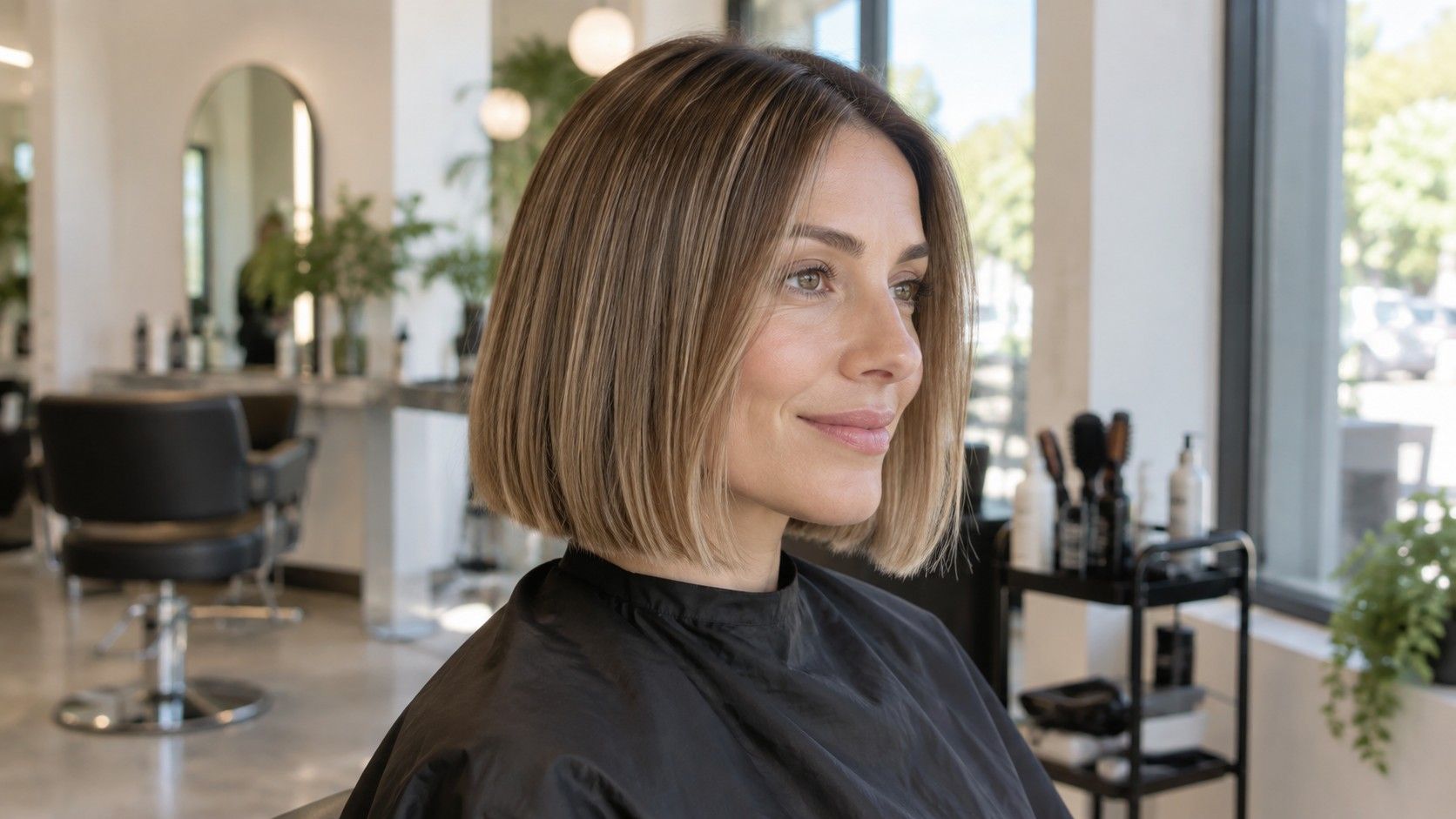
This is where many haircut choices become clearer. If you work out often, wear your hair tied back, or need it out of your face, a very short layer around the front may annoy you. If you love air-drying, choose a shape that looks intentional with your natural texture. If you enjoy styling, you can carry more precision: a sharp bob, curtain bangs, a polished pixie, or a layered blowout shape.
Factor in texture and density
Think about maintenance as part of the style, not as a separate chore. A blunt bob may look simple but needs regular trims to stay crisp. Long layers can grow out softly but may need product or heat to show movement. Bangs can change the whole face, yet they ask for tiny trims, clean roots, and tolerance on humid days. How to choose a haircut begins with being honest about those small costs.
Face shape can help, but it should not become a rigid rulebook. Most faces are a mix: maybe a wider forehead with a soft jaw, or a long oval with stronger cheekbones. Instead of forcing yourself into one label, look at what you want the haircut to balance. Do you want to soften a jawline, open the cheekbones, reduce height at the crown, or avoid extra width around the cheeks?
A long face often benefits from movement at the sides, a fringe, or a length that does not drag the eye straight down. A rounder face may like vertical lines, off-center parting, or longer layers that do not stack heavily at the cheeks. A square jaw can look excellent with softness around the ends, but it can also carry a sharp bob if the line is placed deliberately. The point is not to hide the face. It is to decide where the haircut should place attention.
Use photos from real life, not only filtered selfies, when judging this. Stand at mirror distance and look at front, side, and three-quarter views. A cut that looks flattering from the front may feel too heavy from the profile. If you want to choose the right hairstyle, check the outline around the jaw, neck, forehead, and crown before obsessing over the prettiest styling in the reference image.
Texture decides how a haircut moves. Density decides how much space it takes. Fine straight hair, thick straight hair, loose waves, tight curls, and coarse frizz-prone hair can all wear layers, bobs, pixies, or long styles, but they cannot always wear the same version. A photo of a soft, airy shag on medium-density waves may not translate directly to heavy straight hair or very fine hair.
If your hair is fine, too many layers can make the ends look thin. You may need a stronger baseline, shorter face framing, or layers placed where they create lift without stealing fullness. If your hair is thick, the danger is the opposite: a beautiful shape can turn bulky if the interior weight is not handled. If your hair is curly, the cut should respect spring, shrinkage, and where curls stack around the face.
Cowlicks and growth patterns deserve more attention than they usually get. A fringe that ignores a front cowlick will split. A short crown on hair that sticks up may need daily control. A side part that fights your natural fall can look good for an hour and then drift. When choosing a haircut, tell the stylist what your hair does on its worst ordinary day. That information is more useful than pretending every morning starts with a salon blow-dry.
| Hair reality | Safer direction | Question to ask |
|---|---|---|
| Fine hair with thin ends | Cleaner baseline, light face framing | Will these layers remove too much fullness? |
| Thick hair with bulky sides | Internal weight removal, controlled perimeter | Where will the density sit after two weeks? |
| Wavy or curly hair | Shape built around shrinkage and curl pattern | Will this length jump up when it dries? |
| Strong cowlick | Fringe or parting that works with growth | Can this style survive without heat styling? |
Make reference photos more useful
Reference photos are helpful when they are specific. Instead of showing one perfect image and asking for that haircut, bring two or three photos and point to the exact parts you like. Maybe it is the jaw-length line, the airy layers near the cheekbones, the long curtain fringe, or the soft weight at the ends. A stylist can work with that. A vague request for the whole mood of a photo is harder.
Try to choose reference photos with a hair type close to yours. If your hair is dense and straight, a cut shown on fine beach waves may give the wrong expectation. If your curls shrink, a dry styled photo is more useful than a wet or stretched one. Color also changes how a cut reads. Highlights can make layers visible, while dark solid color can make the same shape look heavier.
Bring one photo of what you do not want if you have a clear fear. This can prevent misunderstandings about length, fringe thickness, or layering. Do not bring a gallery of dislikes; it can make the consultation tense. One clear negative example is enough: no heavy triangle shape, no baby bangs, no stacked back, no thinning that leaves stringy ends.
Ask for a cut you can maintain
The final test is the grow-out. A haircut can look excellent on day one and still be a poor choice if it becomes annoying after ten days. Ask how often it needs trimming, what happens if you skip one appointment, and which part will lose shape first. Short pixies, precise bobs, fades, and blunt fringes usually need more frequent maintenance than long layers or softer shoulder-length cuts.
Also ask for a styling plan that fits your tolerance. The plan should be simple enough that you can repeat it. Which product, where it goes, whether the hair should be damp or dry, whether heat is essential, and what to do on the second day. If the answer needs five products and a professional brush technique, decide whether that is realistically part of your life.
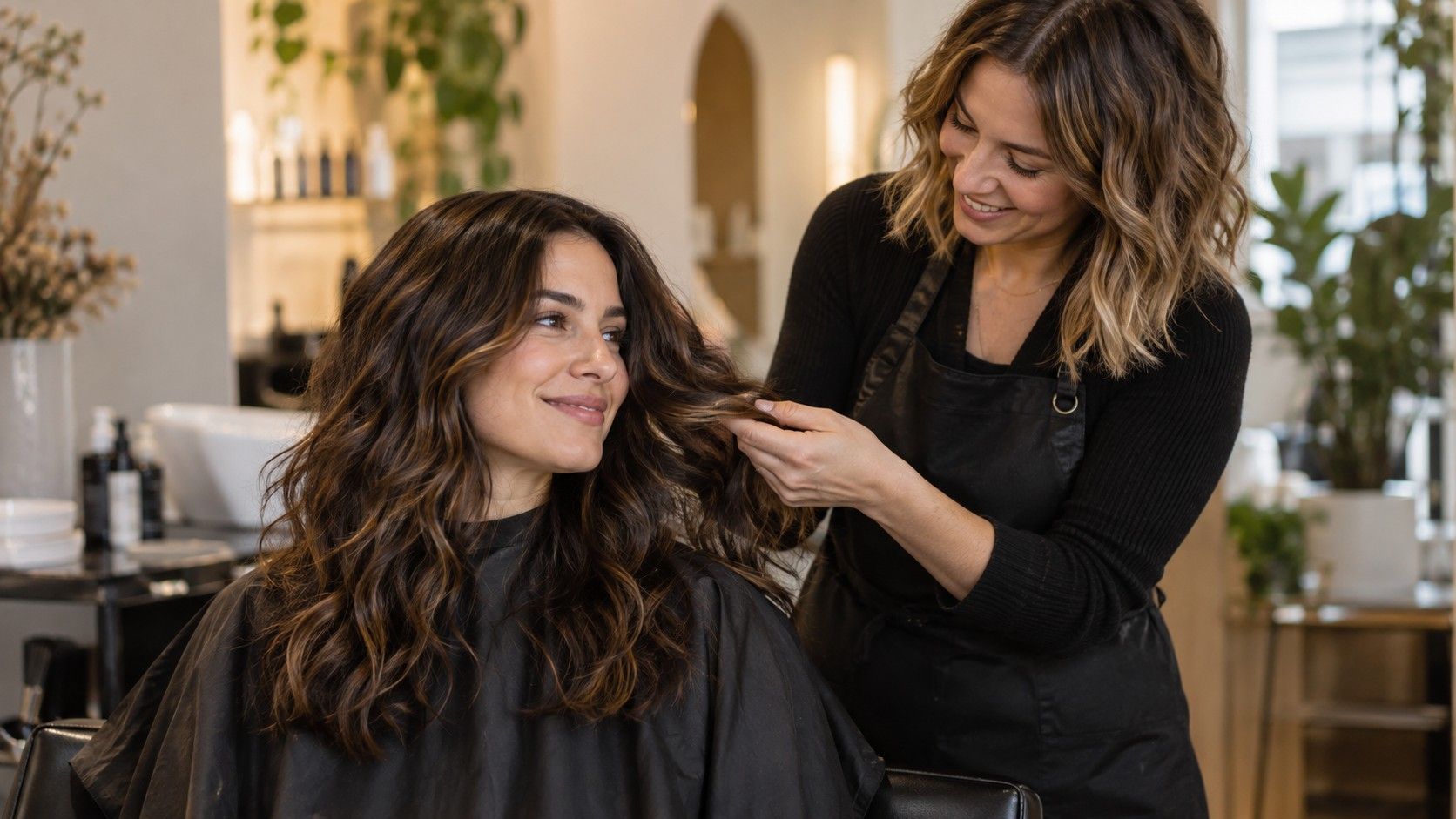
When you sit in the chair, describe your routine, texture, density, and the exact change you want. Say what you like about your current hair and what is not working. The best way to choose a haircut is not to find a rule that solves everything. It is to narrow the options until the style makes sense from the front, the side, the first wash, and the fourth week.