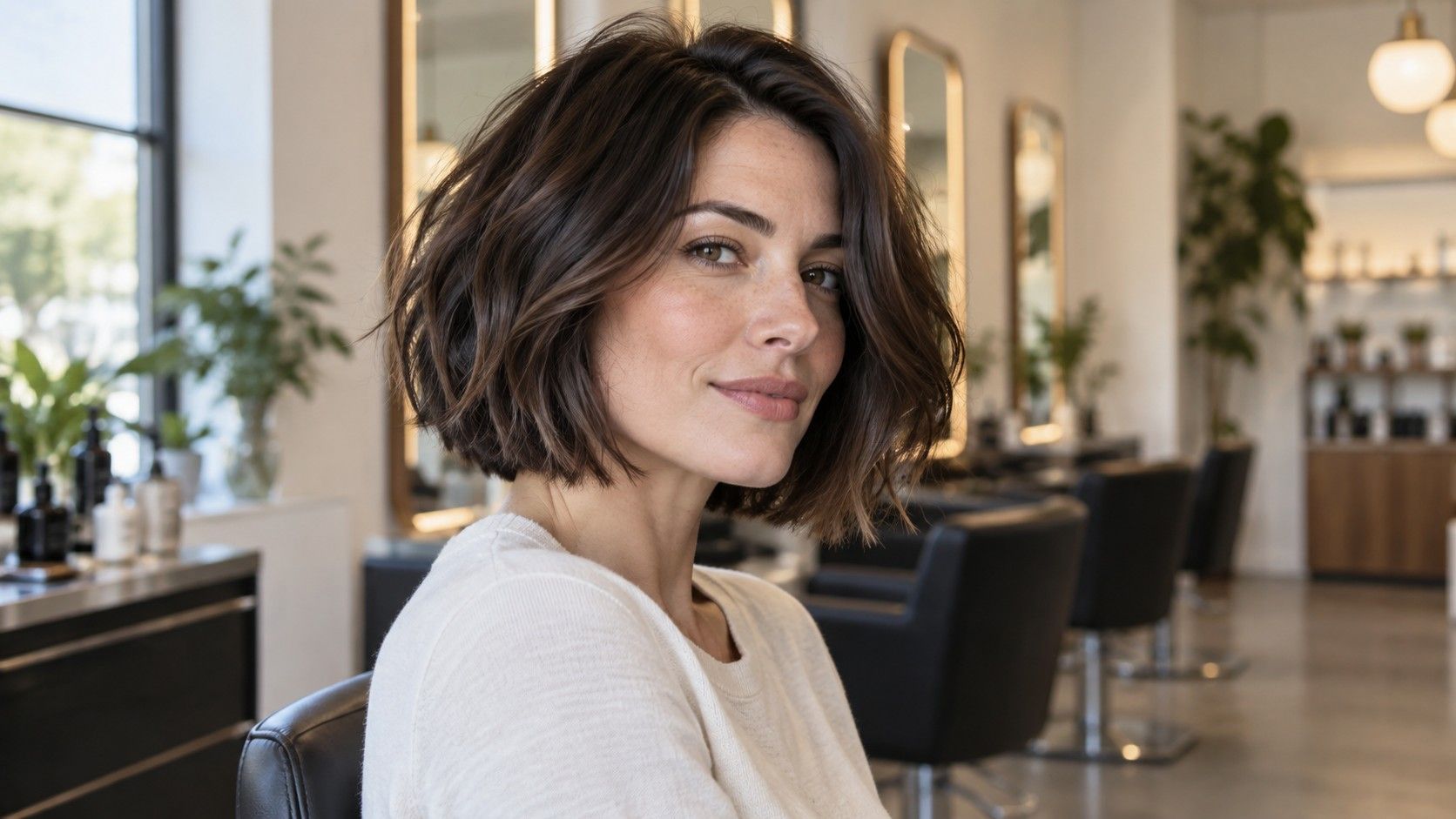
A shag haircut can look relaxed in photos, which is slightly misleading. The good ones are relaxed because the layers have been planned well, not because someone simply cut random pieces shorter. A modern shag haircut is really a negotiation between movement, density, fringe, and how much natural texture your hair wants to show. When that negotiation is honest, the cut can make ordinary hair look more alive. When it is rushed, shaggy layers become frizz, gaps, and a morning routine nobody warned you about.
What makes a shag different
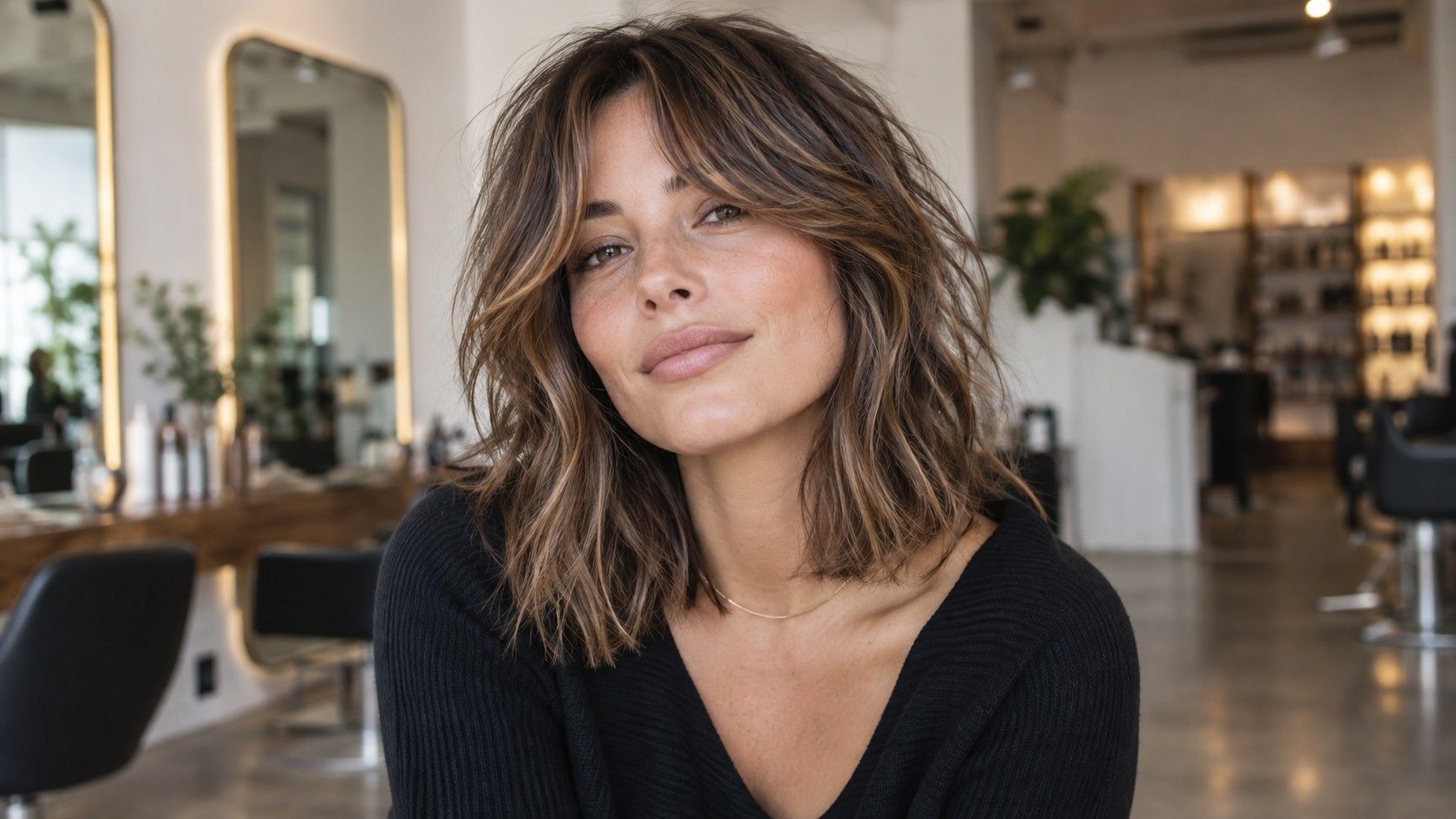
The shag is built around shorter layers near the crown and face, with longer length left through the back and bottom. That creates lift on top, movement around the cheekbones, and ends that do not sit in one heavy sheet. Compared with a classic layered cut, a shag is more visible. You can usually see the separate pieces, especially around the fringe and sides. That is the charm, but also the risk.
Layer placement and density decide the outcome
A true shag should not feel like a standard haircut with a few face-framing pieces added at the end. The crown, temples, and perimeter all have to talk to each other. If the top is too short and the bottom is too long, the hair can look disconnected. If the layers are too timid, you may get the maintenance of a shag without the shape. I would be wary of a consultation where the stylist only asks for length and never discusses density or daily styling.
Straight and wavy hair need different shag logic
The cut also changes how your hair dries. Straight hair may need product to show separation. Wavy hair often becomes more expressive because weight is removed. Curly hair can spring into a strong shape, but only if the layers are placed with shrinkage in mind. The word shag covers all of these results, which is why a single inspiration photo is not enough.
Density is the first serious checkpoint. Thick hair can handle shaggy layers because there is enough material to carve into shape. The stylist can remove weight from the interior, open the face, and let the ends move without making the hair look thin. The danger is over-texturizing. Too much razor work on already frizz-prone hair can create a halo of short pieces that never quite settle.
Fine hair can wear a shag, but it needs restraint. If the crown is cut too short, the ends may look sparse and the bottom can lose its strength. A softer shag with longer layers around the crown, a light curtain bang, and a blunt-enough perimeter is usually more forgiving. The goal is movement, not disappearance. I have seen fine hair look fuller after a shag because the flat top finally lifted, but only when the bottom line was protected.
Medium density hair has the easiest road, provided the wave pattern and parting are considered. A center part with curtain bangs gives a balanced shape. A deep side part can make one side look heavy unless the layers are adjusted. Ask where the shortest crown layer will fall when dry and how it connects to the face frame. That answer tells you whether the haircut has a plan or just a mood board.
On straight hair, a shag has to create texture that the hair does not naturally provide. This can work beautifully, but it often needs styling paste, dry spray, or a quick bend with a tool. Without that, the layers may separate less and the cut can look choppy instead of airy. If you hate styling products, keep the shape softer and avoid extremely short crown pieces. A straight-hair shag should still look intentional when brushed, not only when roughed up for a photo.
Wavy hair is the natural ally of the shag. Removing weight lets waves rise, and the face-framing layers can bring out bends that were hidden by length. The catch is frizz. If your wave is loose but your surface frizzes easily, the cutting method matters. A razor can give beautiful softness on the right hair, but it can also shred the surface on hair that already expands. Scissors, point cutting, and careful dry refinement may be safer.
For curls, the shag needs a curl-aware approach. The shortest layers should not shrink into a surprise shelf above the ears. Bangs should be cut with the curl pattern visible, not pulled straight and guessed. A curly shag can be generous and expressive, but it punishes impatience. Let the stylist see your hair dry, with the way you normally wear it, before anyone starts promising a shape from a filtered photo.
Bangs and face framing carry the personality
Most people notice the bangs before they notice the back. Curtain bangs are the common entry point because they open in the middle and blend into the side layers. They can soften the forehead, bring attention to the eyes, and make the shag feel finished even when the rest is loosely styled. They also need enough density. Very thin curtain bangs can separate into two lonely strands by mid-afternoon.
Fuller shag bangs feel more dramatic and work well when the hair has natural bend or enough density to sit forward. The risk is commitment. If the fringe is cut too short or too heavy, it becomes the haircut's loudest feature. That may be exactly what you want, but it should be a choice. If you have a strong cowlick, oily fringe, or a habit of pushing hair off your face, say so before the scissors reach the front.
Face framing should connect to the rest of the cut. Short cheekbone pieces can make the haircut feel lively, but if they jump from fringe to long length without a bridge, they look accidental. I like asking how the front will behave when tucked behind the ear. If it creates a useful shape and not just loose spikes, the framing has probably been thought through.
Use the right version for your routine
| Shag version | Best fit | Main caution |
|---|---|---|
| Soft shag | Fine or first-time shag wearers who want movement without losing length | Can look too subtle if the crown layers are too long |
| Modern shag | Medium density hair with natural bend or willingness to style | Needs product or air-dry technique to show separation |
| Curly shag | Curls that need shape, lift, and less bottom weight | Shrinkage can make bangs and crown layers much shorter |
| Wolf-cut leaning shag | Thick hair and people who like a stronger, piecey silhouette | Can grow out bulky at the back and thin at the ends |
Maintenance between salon visits is not complicated, but it is real
A shag can grow out better than a blunt bob because the shape is already broken up. Still, the crown layers flatten, bangs lose their line, and the ends can start looking stringy after a couple of months. Most people do well with a trim every eight to twelve weeks, with fringe cleaned up sooner if it sits in the eyes. If you want a very sharp, short-layered shag, expect the schedule to tighten.
Styling usually means encouraging texture rather than forcing polish. A curl cream, mousse, salt spray, or light paste may be enough depending on hair type. The trick is not to overload the ends. Heavy product can drag the layers down and make the haircut look greasy instead of tousled. Drying also matters. Scrunching waves, diffusing curls, or rough-drying straight hair at the roots can make the same cut look far more deliberate.
The shag haircut is easiest to live with when it matches your natural behavior. If you brush your hair smooth every morning, ask for a softer version. If you like air-drying and do not mind a little irregularity, a modern shag can make that habit look intentional. If your hair frizzes the moment humidity enters the room, be conservative with razored surface layers. The point is not to chase a messy look. It is to give the hair a shape that still makes sense when the day has stopped being perfectly styled.